Inorganic-organic composite rheology and water-retention masterbatch for cement-based tile adhesive — replaces cellulose ethers, simplifies formulas and cuts cost.
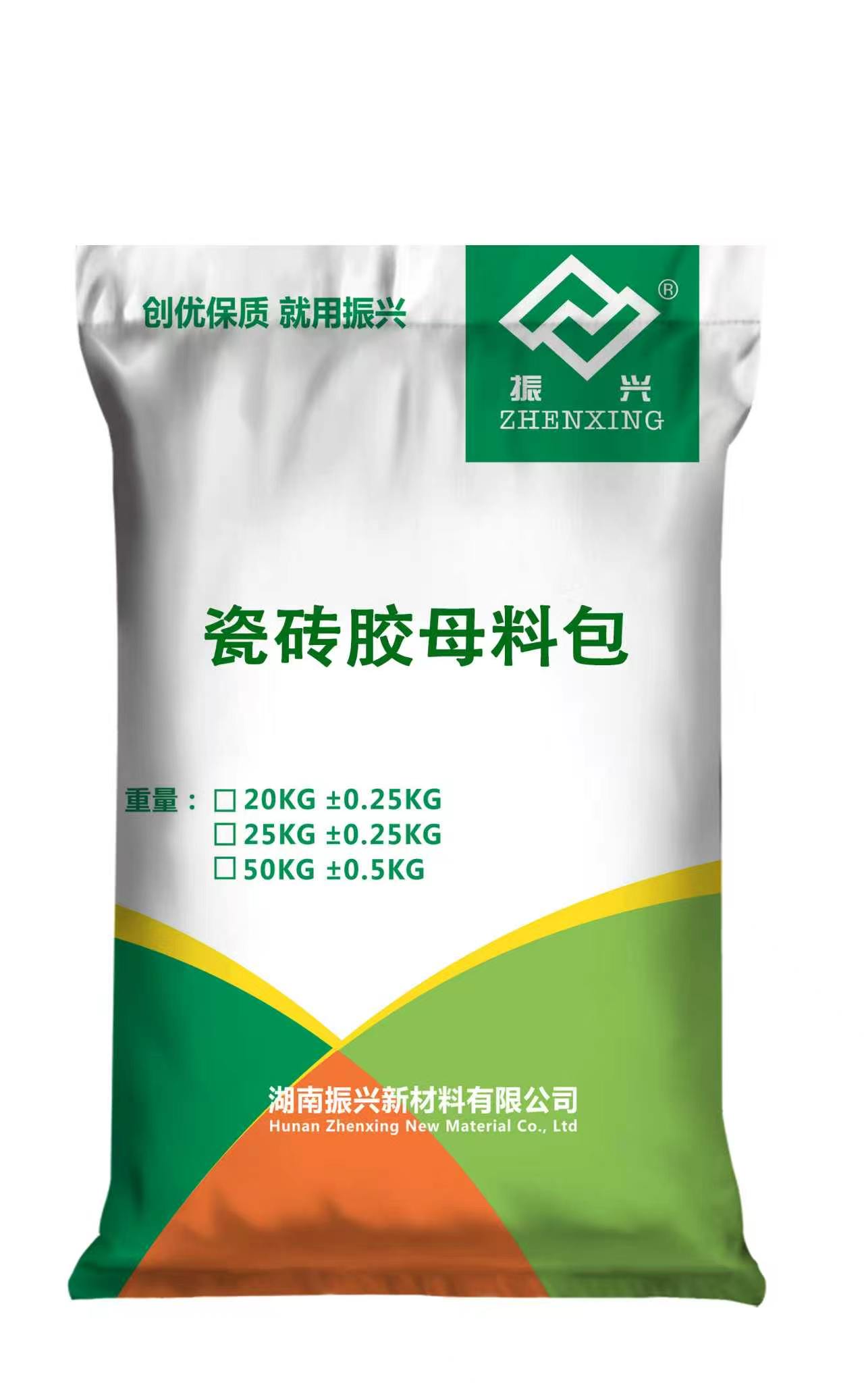
A composite rheology and water-retention masterbatch developed for cement-based tile adhesive, fully replacing HPMC/HEMC cellulose ethers and combining wetting/dispersing, anti-slip and open-time regulating components. Suitable for C0, C1 and C2 cement-based tile adhesive dry-mix systems, compatible with redispersible polymer powders.
One masterbatch handles water retention, thickening, anti-sag and open-time control, reducing additive types and batching errors.
Far less water-retention decay than ordinary cellulose ethers in hot weather, reducing quick drying, skinning, hollow and poor bond.
Good wetting and plasticity with a long open time for more relaxed installation.
Compatible with P.O42.5/P.O52.5 cement, quartz sand, calcium carbonate and redispersible powders.
Good workability, full trowel ridges and long open time.
Simplifies the formula and lowers raw-material cost for continuous dry-mix production.
| Appearance | Light yellow dry powder |
|---|---|
| Bulk density | 0.50–0.70 kg/L |
| Moisture | ≤5% |
| Fineness | ≤5% retained on 60-mesh |
| pH (1% solution) | 6–9 |
| Dosage | 1.8–2.8 kg/ton (of finished dry powder) |
| Standard | JC/T 547-2017 Ceramic Tile Adhesives |
| Packaging | 20 kg/bag, plastic-lined woven bag |
General steps — refer to the technical briefing for specifics
Add together with other powder additives into the mixer; must be dry pre-mixed evenly.
Control water per the original formula (powder:water ≈ 1:0.19–0.22); mix, rest 5 min, then re-mix.
Cement and sand water absorption vary widely; run a lab trial before mass production.
Raise dosage slightly in hot weather, reduce slightly in cold weather.
Produce in bulk once the trial passes, keeping parameters consistent.
Click a product to view its detail page